5 Min Read
.jpg?width=960&height=640&name=Chris-Veith-KM%20Renovate%2c%20Dec.%204%2c%202018-5%20(1).jpg)
Remodeling in New Jersey has never been a casual swipe-the-card kind of decision. Between rising labor costs, longer lead times on select materials, and the reality that even a “simple” renovation can uncover surprises behind the walls, modern homeowners need a sharper game plan.
The good news: a smart project does not start with a loan application or a tile sample. It starts with a clear budget and a financing strategy that fits your goals.
This guide will show you how to build the right budget for your remodeling project.
Use the links below to navigate to sections that interest you:
- Why Budgeting Should Come Before Design Decisions
- How Much Should You Budget for a Remodel in New Jersey?
- A Simple Remodel Budget Formula That Works
- The Most Common Finance Options for a Home Remodel
- What New Jersey Homeowners Should Know About Financing
- Which Projects Are Worth Financing?
- Smart Strategies for 2026 Remodel Projects
Why Budgeting Should Come Before Design Decisions
Many homeowners begin with inspirational images, layouts, and finish ideas before they establish a working budget. That often creates tension later, once contractor pricing and material costs come into focus.
Learning how to budget for a home remodel early gives your project a clearer direction. A well-defined budget helps shape the scope, guide selections, and keep expectations realistic from the onset.
For New Jersey homeowners, local pricing can vary significantly based on location, home age, permit requirements, and the level of customization involved. That variance is all the more reason you need a concrete budget.
A solid remodel budget should include:
- Project scope
- Design fees
- Permit costs
- Material allowances
- Labor
- Temporary living expenses, if needed
- Contingency funds for unexpected conditions
Without that framework, even a well-designed project can become difficult to manage financially.
How Much Should You Budget for a Remodel in New Jersey?
There is no universal number for home renovation costs, but there is a practical way to approach cost planning.
New Jersey homes often come with conditions that affect cost, including older construction, municipal requirements, and more complex renovation needs. Premium finish selections and structural changes can also raise the overall investment quickly.
Here's a starting point for budgeting by project type:
Table 1. Budgeting per Project Type
| Project type | Typical budget approach | Key cost drivers |
|---|---|---|
| Kitchen remodel | Mid-to-high investment | Cabinetry, appliances, plumbing, layout changes |
| Bathroom remodel | Moderate-to-high investment | Tile, waterproofing, fixtures, labor |
| Basement finishing | Moderate investment | Framing, flooring, moisture control, egress |
| Whole-home remodel | High investment | Scope changes, systems updates, sequencing |
| Addition or major reconfiguration | Very high investment | Structural work, engineering, permits |
Online averages can help establish rough ranges and may be useful during early planning. Still, those numbers cannot fully reflect your home’s condition, your town’s requirements, or the level of finish you want.
Homeowners should figure out these three items before moving too far into design:
- Ideal budget
- Comfortable stretch budget
- Absolute ceiling
A Simple Remodel Budget Formula That Works
Budgeting does not need to be overly complicated. A home renovation budget planner can help you organize the key cost categories and avoid missing major line items.
Use this formula as a starting point:
| Budget formula | |
|---|---|
| Total budget = | Construction costs + design and permits + finish selections + contingency reserve |
The contingency reserve is absolutely crucial for your budget, as unexpected costs happen. For most projects, setting aside 10% to 20% is sufficient for a contingency fund.
Another common mistake is building the budget around visible finishes only. Cabinetry, tile, countertops, and lighting are easy to focus on, but hidden costs often affect the final number more than the selections you can see.
Common budget surprises include:
- Electrical updates
- Plumbing repairs
- Structural issues
- Water damage
- Code compliance upgrades
- Material price changes
Keep in mind that older homes typically require a larger contingency, especially when walls, floors, or outdated systems are involved.
the most common financing options for a Home Remodel
Once you have a realistic budget range, the next step is deciding how to finance a home remodel in a way that supports your broader financial health.
The best option depends on several factors, including available equity, project size, interest rate tolerance, and how quickly you need access to funds. Reviewing home remodel financing options early can help you compare choices with less pressure.
Here are the most common financing paths:
Table 2. Home Remodel Financing Options
| Financing option | Best for | Watch-outs |
|---|---|---|
| Savings or cash | Smaller projects, fast execution | Can reduce cash reserves |
| HELOC | Flexible access to funds | Variable rates may shift |
| Home equity loan | Predictable payments | Requires sufficient equity |
| Personal loan | Faster approvals, less equity needed | Often higher rates |
| Cash-out refinance | Large-scale updates | Depends on mortgage environment |
It also helps to match the financing product to the scale and purpose of the work. You typically shouldn't finance a small cosmetic update and a major renovation in the same way, so pick accordingly.
What New Jersey Homeowners Should Know About Financing
 For local homeowners, financing a home remodel in NJ often involves more than simply comparing interest rates. Property values, tax burdens, municipal rules, and lender-specific requirements can all influence the right decision.
It is worth reviewing the home improvement loans commonly used for projects similar to yours. Some loan products may look attractive at first glance, but the long-term fit depends on payment comfort, approval criteria, and the value the remodel adds to your home and daily life.
When reviewing home improvement loans, focus on these questions:
- What will the monthly payment be?
- Is the interest rate fixed or variable?
- Are there fees, draws, or closing costs involved?
- How quickly do you need the funds?
- Are you financing essential work or discretionary upgrades?
Remember, you still have to live after your remodel. You don't want to go with an option that will cause you significant financial stress after the project is done, so pick an option that will work for your defined budget.
Which Projects Are Worth Financing?
Not every remodeling project calls for the same financial strategy. Some renovations solve immediate problems, while others are primarily surface-level.
Financing is often easier to justify when the work addresses:
- Poor layout or limited functionality
- Aging systems or damage
- Safety concerns
- Code-related issues
- Long-term improvements to everyday living
Cosmetic-only updates, trend-driven upgrades, and minor refreshes may be better candidates for cash, especially when the work is not urgent. Projects that often support financing include:
- Outdated kitchens with inefficient layouts
- Bathrooms with old plumbing or existing damage
- Floor plan changes that improve daily use
- Outdoor living projects that expand usable space and long-term value, such as decks, patios, and four-season rooms
- Repairs tied to code or safety concerns
- Whole-home remodels completed in strategic phases
Discuss your project, budget, and financing options with experienced home remodeling contractors in Livingston who understand local costs, construction requirements, and what can realistically be achieved with your available resources. They will be able to tell you what is feasible with the resources you have and the best options to make the project move forward.
Smart Strategies for 2026 Remodel Projects
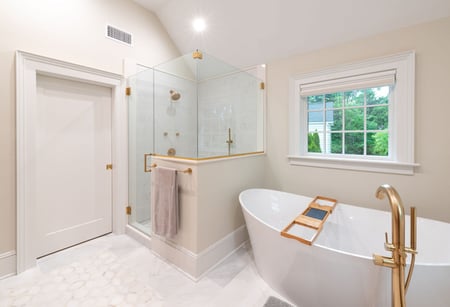
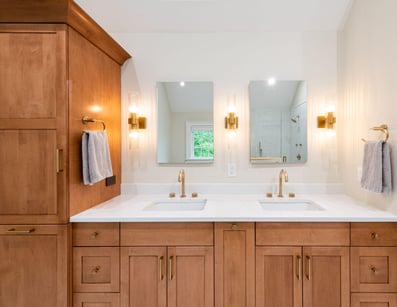
Planning a remodel in 2026 requires a disciplined approach to financing. We've already covered how to budget and finance options, but lots of things can happen that threaten to throw your budget off track if you let it.
These strategies can help you stay in control of your budget:
- Get contractor pricing early
- Make finish selections sooner
- Protect your contingency reserve
- Phase the project when it makes sense
- Compare financing before finalizing the full design
- Preserve emergency savings outside the remodel budget
Early pricing can be especially valuable because it gives you time to adjust scope, materials, and timing before the project becomes harder to reshape. It also helps to keep the remodel aligned with your actual goals. If the project is meant to improve the way you live in your home, the budget should reflect that. If resale is part of the plan, your selections should support broad appeal and sensible value.
make budgeting a priority
A budget is not a nice-to-have. The success of the entire remodeling project rests on how well your budget is laid out. Take the necessary time to build a budget you can stick to and go with a financing option that will cover your project and not strain your long-term finances.
While you do your due diligence, remember, you don't have to do it all alone. Partner with an experienced remodeling team that can help you plan for costs properly and account for all of the twists and turns in the NJ housing market.
budget and build with G&L and Sons Renovations
At G&L and Sons Renovations, we understand that a remodeling project is about more than updating a space. It is about creating a home that supports the way you live and reflects what matters most to you. For more than 40 years, we have guided homeowners in Caldwell, NJ, and the surrounding area through a straightforward design-build process, managing everything from layout and selections to permits and construction with a strong commitment to craftsmanship and service. When you are ready to take the next step, our team is here to help make your home happen.
Check out our Gallery to see examples of our work.
start your remodel
Connect with our team to take the first steps in planning your remodel.
.png?width=300&height=300&name=Foundation%20Cost%20Guide%20Tablet%20Mockup%20(10).png)
.jpg?width=352&name=Featured%20Image%20Template%20(10).jpg)
.jpg?width=352&name=20240131-GL-Teaneck-JohnsonCt-378%20(3).jpg)